
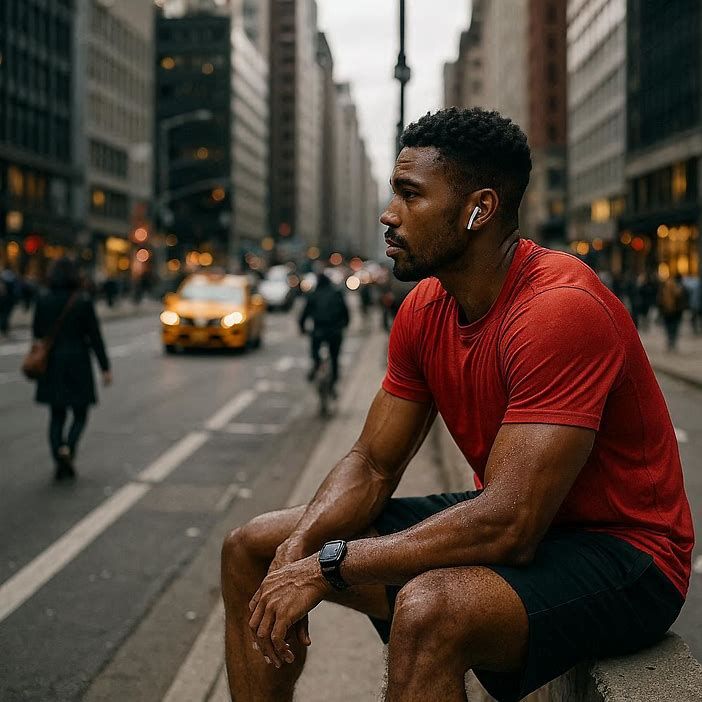
Elite athletes operate within strict physical limits, where even minor lifestyle changes can affect performance outcomes. Research shows that lung capacity, cardiovascular efficiency, and recovery rates directly influence results, as highlighted by data from the World Health Organization and the American College of Sports Medicine. Against this backdrop of discipline, broader lifestyle trends, including vaping, raise important questions about how modern habits intersect with high-performance expectations.
The visibility of vaping products in everyday life reflects a wider commercial ecosystem. Distribution channels such as Wisemen smoke shop wholesale networks offer insight into consumer demand patterns, particularly the growth of disposable vape wholesale and bulk vape inventory. Industry analyses from Grand View Research indicate that the global e-cigarette market continues to expand, driven largely by accessibility and shifting consumer preferences. These developments serve as a lens through which we can examine the contrast between athletic ideals and real-world behaviors.
The Discipline of Athletic Performance
High-level sports demand a level of discipline that extends far beyond training sessions. Nutrition, sleep, hydration, and respiratory health all play central roles in an athlete’s routine. Experts from the National Institutes of Health note that optimal oxygen intake is essential for endurance and recovery, particularly in sports that rely on sustained aerobic output.
Within this framework, athletes are often seen as models of controlled living. Their routines are structured, measured, and refined over time. Even small deviations can lead to measurable declines in performance. For instance, studies published in The Journal of Sports Sciences suggest that respiratory irritants can affect lung function, which may reduce stamina and delay recovery.
From this perspective, the rise of vaping presents a tension. Athletic environments emphasize minimizing external variables that could interfere with performance. The idea of introducing substances, even those marketed as alternatives to traditional smoking, appears at odds with these goals. Discipline, in this sense, becomes both a physical and psychological commitment to consistency.
Lifestyle Trends and Social Realities
Despite the structured nature of athletic life, athletes exist within broader social contexts. They are influenced by trends, peer behaviors, and cultural shifts, just like any other group. Vaping, in particular, has gained visibility across different demographics, including younger populations. Data from the Centers for Disease Control and Prevention shows that e-cigarette use has become a notable trend among young adults in recent years.
Retail activity offers further insight into this shift. Vape distribution channels, including wholesale vape suppliers and bulk purchasing networks, reflect growing normalization. The availability of disposable products, often marketed for convenience, aligns with fast-paced lifestyles that prioritize accessibility.
These patterns suggest that lifestyle choices are rarely shaped by performance considerations alone. Social environments, marketing exposure, and convenience all contribute to decision-making. Even individuals committed to physical excellence may encounter conflicting influences outside training settings.
Moreover, the conversation around vaping is complex. Public health organizations such as Public Health England have explored its role as an alternative to traditional smoking, while also emphasizing the need for ongoing research into long-term effects. This evolving understanding contributes to mixed perceptions, making it harder to draw clear boundaries between acceptable and risky behaviors.
Navigating Balance in a Changing Landscape
The intersection of athletic performance and lifestyle trends calls for a balanced perspective. On one hand, the principles of discipline and health optimization remain central to sports success. On the other hand, societal influences cannot be ignored, especially as new habits become more visible and accessible. For individuals aiming to align their routines with long-term goals, resources on building a strong and well-rounded athlete highlight the importance of consistency, recovery, and informed lifestyle choices.
Rather than viewing these dynamics as strictly opposing forces, it may be more useful to consider how awareness shapes outcomes. Education plays a key role. When athletes and the general public understand the physiological implications of various habits, they are better equipped to make informed decisions. Research from Harvard T.H. Chan School of Public Health emphasizes that informed awareness often leads to more consistent health-oriented behaviors.
At the same time, industry trends provide valuable context. The growth of vape product distribution, including large-scale supplier networks, signals demand rather than endorsement. It reflects what consumers are choosing, not necessarily what is optimal for health or performance. Recognizing this distinction allows for more nuanced discussions that avoid oversimplification.
In practical terms, this means acknowledging that lifestyle choices exist on a spectrum. Some individuals prioritize peak performance, while others balance health considerations with social habits. The challenge lies in aligning personal goals with informed decision-making, rather than reacting solely to external trends.
Importantly, conversations around vaping should remain grounded in evidence. Health authorities continue to study its effects, particularly in relation to respiratory health and long-term outcomes. By integrating findings from credible organizations, discussions can remain constructive and focused on understanding rather than judgment.
Conclusion: Reflecting on Modern Choices
The contrast between athletic discipline and evolving lifestyle habits highlights a broader cultural shift. Performance ideals emphasize control, precision, and long-term thinking. Meanwhile, consumer trends, supported by extensive vape distribution networks and supplier systems, point toward convenience and accessibility.
These forces do not exist in isolation. They interact, overlap, and sometimes conflict. Athletes, like all individuals, navigate these influences in different ways. The presence of large-scale vape supply chains and wholesale distribution channels serves as a reminder of how widespread these choices have become.
Ultimately, the conversation is less about opposition and more about awareness. Understanding how habits align, or clash, with personal goals allows for more intentional decision-making. In a world shaped by both discipline and convenience, the ability to reflect critically becomes a valuable skill.
As research continues and societal trends evolve, the dialogue around performance and lifestyle will likely grow more complex. What remains constant is the importance of informed perspective, grounded in evidence and shaped by thoughtful consideration of both individual and collective behaviors.