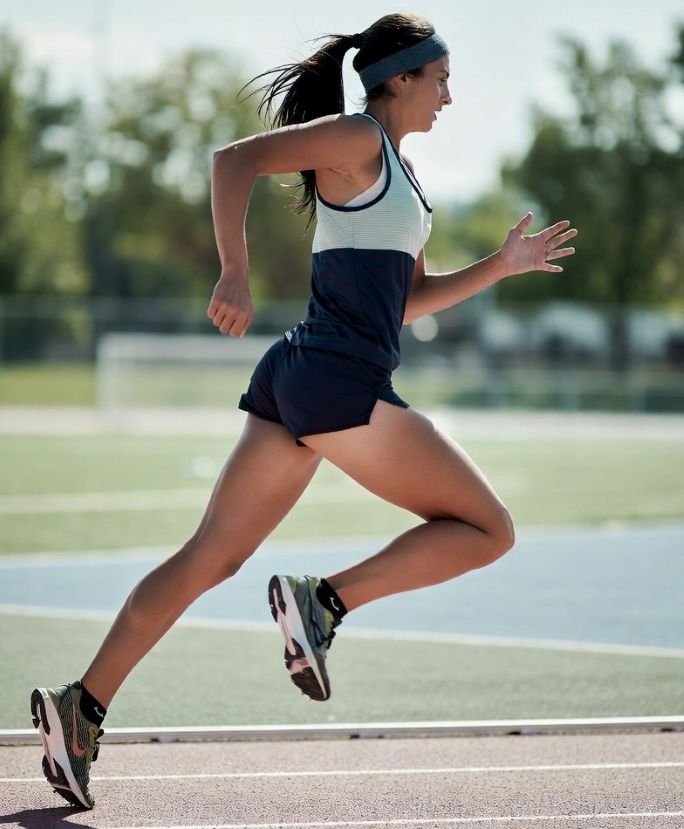
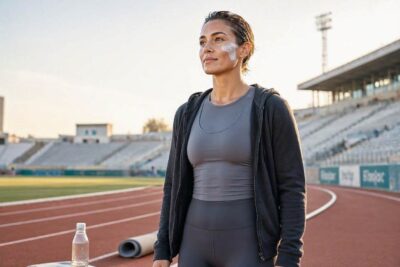
 The Olympic Games place the human body at the center of global attention. Every event highlights speed, strength, balance, endurance, and control. Athletes spend years improving movement, recovery, nutrition, and mental focus. Their performance depends on small details that many people rarely notice. Sleep, hydration, training load, and skin health can all become part of a wider routine built around physical readiness.
Skin may seem less important than muscles or joints, but it still plays a major role in everyday comfort. It acts as a protective barrier against heat, friction, sweat, sunlight, and environmental stress. For athletes, these pressures can be stronger because of long training sessions, outdoor exposure, repeated showering, tight sportswear, and constant sweating. This is one reason why interest in treatment for skin renewal has grown among active people who want their skin to look and feel healthier.
Skin renewal does not mean chasing perfection. It usually refers to treatments that support the removal of dull or damaged surface cells and encourage a fresher appearance. These treatments can range from simple exfoliation to professional procedures carried out in clinics. The goal is often to improve texture, tone, and overall skin quality while keeping the skin barrier in good condition.
How Athletic Training Can Affect the Skin
Olympic-level athleticism involves intense physical work. Even recreational athletes experience similar skin challenges on a smaller scale. Sweat is one of the most obvious examples. Sweating helps cool the body, but sweat can mix with oil, dirt, and bacteria on the skin. If it stays on the skin for too long, it may contribute to clogged pores, irritation, or breakouts.
Friction is another common issue. Runners may experience rubbing around the thighs, chest, or underarms. Cyclists can deal with pressure from clothing and equipment. Swimmers spend long periods in chlorinated water, which may leave the skin feeling dry or tight. Outdoor athletes can also face strong sun exposure, wind, and dust.
These factors do not mean that exercise is bad for the skin. In fact, regular movement can support circulation and general well-being. The key is to care for the skin in a way that matches the level of activity. Gentle cleansing, regular moisturizing, sun protection, and clean training gear can make a noticeable difference.
Some people also choose professional treatment for skin renewal when home care is not enough for their goals. A treatment may help improve rough texture, uneven tone, or a tired-looking surface. However, the right option depends on skin type, sensitivity, current condition, and lifestyle. Athletes should also consider training schedules because some procedures need short recovery periods.
Popular Approaches to Skin Renewal
There are several ways to support skin renewal, and they vary in strength. Basic exfoliation is often the simplest starting point. Mild exfoliating products can help remove dead surface cells and improve smoothness. These products should be used carefully because too much exfoliation can cause dryness and irritation.
Professional chemical peels are another option. These treatments use controlled solutions to remove part of the outer skin layer. Depending on the type of peel, the effect can be light or more noticeable. Mild peels may be used for dullness or uneven texture, while stronger peels usually need more recovery time and professional supervision.
Microneedling is also commonly discussed as a treatment for skin renewal. It uses very small needles to create controlled micro-injuries in the skin. The process is designed to support the skin’s natural repair response. People often seek it for texture concerns, fine lines, or the appearance of certain scars.
Laser and light-based treatments may also be used for skin renewal. Different systems target different concerns, so they are not all the same. Some are designed to improve pigmentation, while others focus on texture or collagen support. These treatments should be performed by trained professionals who can assess whether they are suitable for the person’s skin.
For active people, timing matters. A treatment that causes redness, peeling, or sensitivity may not fit well with intense outdoor training, pool exposure, or heavy sweating. Planning a procedure during a lighter training period may help reduce discomfort. Good aftercare is also important, especially sun protection and gentle moisturizing.
Balancing Performance, Recovery, and Skin Care
The Olympic Games remind us that performance is built through consistency rather than quick fixes. The same idea applies to skin care. A single treatment for skin renewal may improve how the skin looks, but lasting results usually depend on daily habits.
Hydration is important for athletes because fluid loss can affect the whole body. While drinking water does not directly erase skin concerns, good hydration supports normal body function. A balanced diet that includes protein, healthy fats, fruits, and vegetables also supports general recovery. Sleep matters as well because the body uses rest periods to repair tissues.
Skin care should remain simple around training. A gentle cleanser can remove sweat and dirt without stripping the skin. A moisturizer can help protect the skin barrier. Sunscreen is essential for outdoor sports, especially during long sessions. Athletes should also avoid trying too many strong products at the same time.
Professional treatments can be part of a broader routine, but they should match the person’s needs. A qualified skin professional can explain the expected benefits, possible side effects, and recovery time. This is especially useful for people with sensitive skin, active acne, pigmentation concerns, or a history of skin reactions.
Athleticism is often linked with discipline, recovery, and respect for the body. Skin care fits naturally into that idea. Whether someone is training for a local race or simply inspired by the Olympic Games, caring for the skin can become another part of a healthy routine.
Treatment for skin renewal can support a fresher and more even appearance when chosen carefully. The best approach is not always the strongest treatment. It is the one that fits the skin, the schedule, and the person’s goals. Just as athletes improve through steady training, healthy-looking skin is usually supported by consistent care, sensible choices, and enough time to recover.