
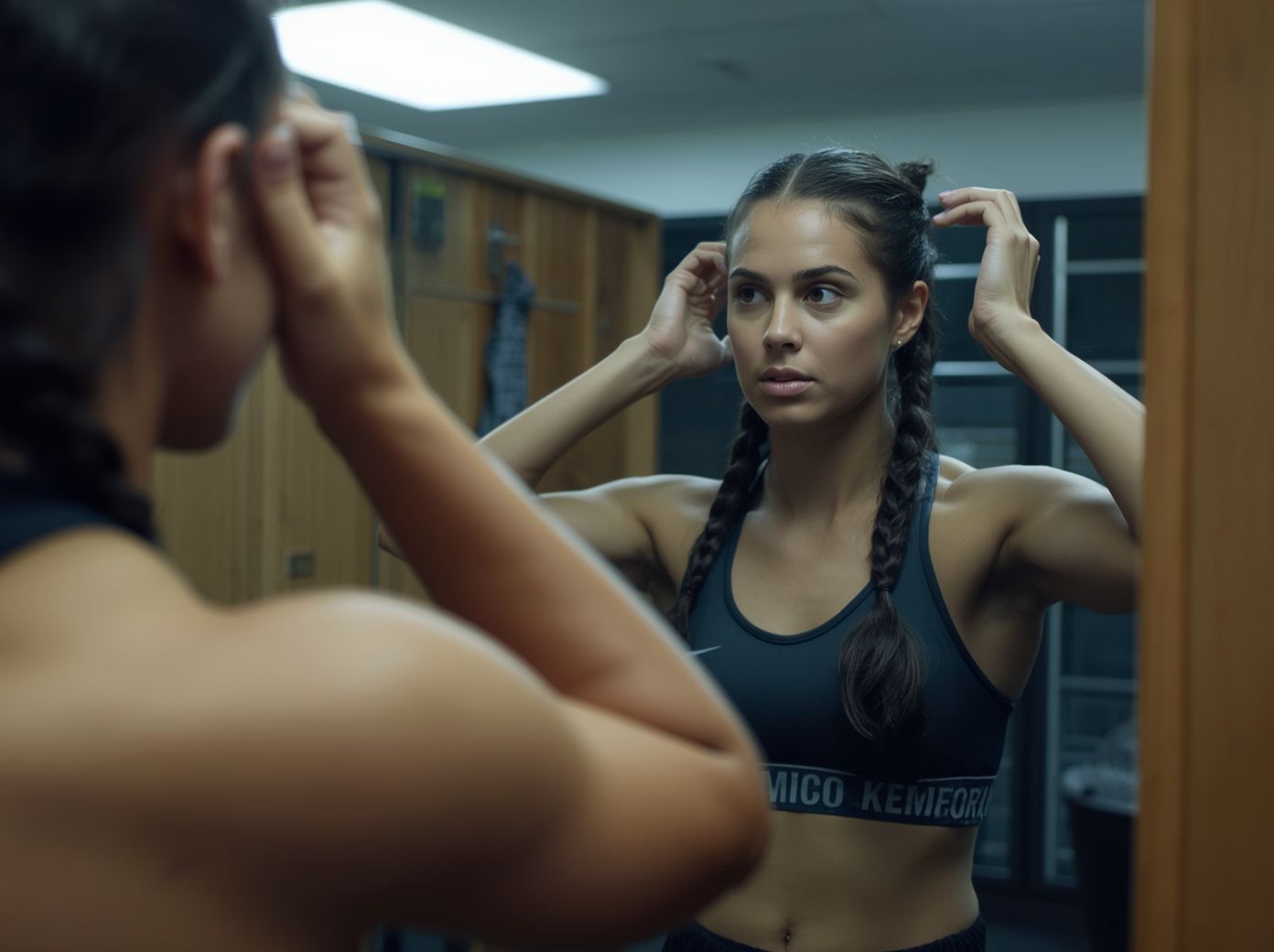
Professional sports organizations have long treated appearance standards as part of team discipline, not an afterthought. The New York Yankees still maintain a written policy limiting facial hair length for players, a rule that has stayed in place for decades despite changing grooming trends across other franchises. Competitive swimmers, meanwhile, have historically shaved down before major meets, a practice tied to reducing drag in the water rather than aesthetics alone.
These examples point to something broader than vanity. Grooming in competitive environments sits alongside training and recovery as a routine that supports how an athlete performs and feels. It is worth noting, though, that most grooming decisions athletes make day to day have nothing to do with shaving seconds off a lap time. A visit to a hair salon Winter Garden residents rely on for a trim or a beard shape-up is closer to what any working professional does to stay presentable, not a performance hack.
Grooming Expectations in Competitive Sports
Locker rooms and shared training facilities create practical reasons for grooming discipline. Athletes who train in close quarters, share equipment, and shower in communal spaces face a higher risk of skin infections and bacterial spread if hygiene habits slip. Reports from Original Shave Company note that beard maintenance in contact sports like football is partly a safety issue, since untrimmed facial hair can get caught during physical contact. The same source points out that the Consumer Product Safety Commission tracks close to 400,000 serious football-related injuries annually, a reminder that even small grooming choices can intersect with player safety.
Hair care presents its own challenge for athletes who train multiple times a day. Frequent sweating leads to scalp buildup and irritation if hair is not washed regularly, according to observations from sports and grooming writers covering athlete routines. This is less about looking a certain way for cameras and more about avoiding discomfort that could distract from training.
Comparing Everyday Routines with Athlete-Focused Maintenance
A typical adult grooming routine might involve a shower, a shave, and occasional trims scheduled around convenience. Athletes tend to build grooming into a tighter cycle that follows their training calendar instead. A guide published by Epsinia describes athlete grooming as a repeatable system built around sweat, sun exposure, and constant showering, rather than a once-a-week habit.
The difference is less about the products used and more about frequency and timing. Someone with a desk job might shower once in the morning and call it done. An athlete training twice daily, in a pool or under a helmet, often needs to reset their skin and hair care after each session simply to avoid irritation or breakouts. That said, the underlying goal, staying clean and comfortable, is identical for both groups. Neither routine requires anything exotic.
The Role of Hygiene, Confidence, and Presentation
Confidence research offers a useful lens here. A study published in the Journal of Experimental Social Psychology by researchers Hajo Adam and Adam Galinsky introduced the concept of enclothed cognition, showing that what people wear and how they present themselves can shape their own mindset. Self-perception theory, first proposed by psychologist Daryl Bem, holds a related idea: people read their own confidence partly from observing their own deliberate actions, including how they groom themselves.
Findings published in academic work on student self-image support this connection as well. Research indicates that individuals who feel satisfied with their grooming and appearance report lower social anxiety and are more willing to express themselves in professional or competitive settings. For an athlete walking into a stadium or a locker room full of teammates and opponents, that small psychological edge can matter as much as physical readiness.
A Hair Salon Winter Garden as an Example of Routine Professional Grooming
It helps to separate performance-driven grooming, like a swimmer shaving before a meet, from the far more common category of routine upkeep. Getting a haircut or beard trim at a local salon is simply personal maintenance, the same kind any working adult schedules regardless of their fitness level. Athletes are not exempt from needing a haircut between seasons or a shape-up before a public appearance. These visits do not enhance athletic output. They exist for the same reasons they exist for everyone else: comfort, cleanliness, and looking put together.
Lessons Recreational Athletes Can Apply
Recreational athletes do not need a professional support staff to benefit from a more consistent grooming approach. A few habits translate well from elite routines:
- Rinse and dry hair and skin soon after sweating heavily, rather than letting sweat sit for hours.
- Keep facial hair trimmed short enough that it does not interfere with goggles, helmets, or straps.
- Schedule haircuts and trims on a regular cycle instead of waiting until it becomes noticeable.
- Treat grooming as part of a broader self-care habit that supports rest and recovery, not a separate chore.
None of this requires elaborate products or a strict schedule copied from a professional team. The takeaway is simpler: consistent grooming supports comfort, hygiene, and a small but real sense of readiness, whether someone is training for a championship or just heading out for a weekend run. It fits into the same category as other habits that quietly support performance, such as maintaining a healthy diet as an athlete, where small, consistent choices add up over time rather than any single routine doing the heavy lifting. As more research continues to explore the link between appearance habits and confidence, it is likely that grooming will keep earning its place alongside training and recovery in how athletes, professional and recreational alike, prepare themselves.