Great Athlete Friendly Breakfast Ideas
A good breakfast for an athlete should provide energy, protein, and essential nutrients to fuel training, support muscle recovery, and keep you full and focused throughout the morning. Breakfast shouldn’t be skipped, especially for productive individuals like athletes. They usually feel better once breakfast is consumed. Eating breakfast also helps their body for training by […] Learn More

About

Rule 40 is a blogging website that goal is to help the readers to learn knowledge related to Olympic Games & Athleticism. Rule40.com is deeply moved by the strength, determination, and meaning behind the Olympic Games and athletics around the world. Our platform is called “Rule 40” after a famous rule in the Olympic Charter. […]

A Practical Guide To Help You Become A Strong And Well Rounded Athlete

Becoming a good athlete takes dedication, discipline, and a smart, long-term approach to both physical and mental training. Here’s a practical guide to help you become a strong and well-rounded athlete: Set Clear Goals Maintain a Healthy Diet Train Consistently and Smart Get Enough Rest Build Mental Strength Learn and Improve Stay Injury-Free Stay Committed […]

READ MORE
Privacy Policy
At Rule 40, accessible at rule40.com, one of our main priorities is the privacy of our visitors. Thi...

Featured Recent Topic

The Olympic Games Sporting Event

The Olympic Games are a major international sporting event featuring summer and winter sports competitions. Thousands of athletes from around the world participate in a variety of events, representing their countries. The Games are held every four years, alternating between the Summer and Winter Olympics every two years. Key Facts: Origin: The Olympics originated in […]

Continue Reading

Maintaining A Healthy Diet As An Athlete

Maintaining a healthy diet as an athlete is essential for performance, recovery, and long-term health. Here’s a clear and practical guide to help you fuel your body the right way: Eat a Balanced Diet Time Your Meals Smartly Stay Hydrated Avoid These Common Mistakes Good Snack Ideas for Athletes https://rule40.com

Continue Reading

Performance Edge or Placebo? Tongkat Ali Tablets in Competitive Athletics

Athleticism, Olympic

sports and supplements

The global sports nutrition market is projected to surpass 30 billion dollars in the coming years, according to Grand View Research. That number says one thing loud and clear, athletes are always searching for an edge. Legal, safe, and ideally powerful. From protein powders to beetroot juice shots, the line between smart supplementation and wishful thinking gets blurry fast.

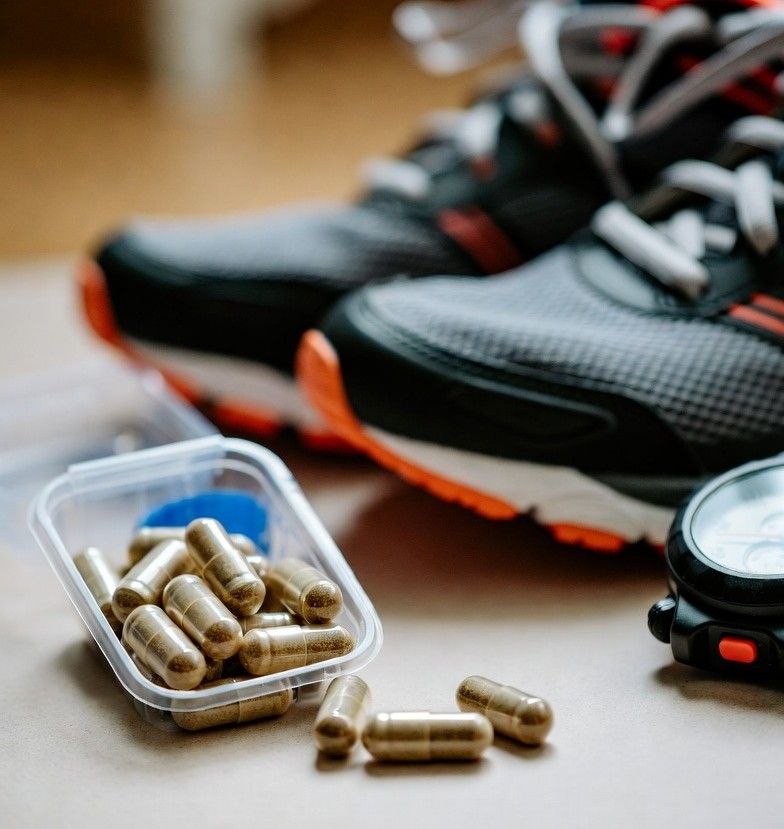
Recently, more competitors have started eyeing herbal testosterone support products such as Tongkat Ali Supplement. Extracted from a Southeast Asian root long used in traditional medicine, Tongkat Ali, also known as Eurycoma longifolia, is often marketed as a natural way to support testosterone levels. For athletes chasing strength gains, that promise sounds tempting. But does it actually translate to better performance on the field, track, or platform?

What the Science Actually Says

Some small clinical studies suggest Tongkat Ali may help increase free testosterone levels, particularly in men with low baseline levels. Research published in journals such as the Journal of the International Society of Sports Nutrition has explored its potential to support strength and body composition. In a few pilot trials, participants experienced modest improvements in muscle strength after several weeks of supplementation.

Here is the catch. Many of these studies involve small sample sizes, short timelines, and recreationally active men rather than elite competitors. A weekend gym enthusiast and an Olympic sprinter are very different biological machines. What works for one may barely move the needle for the other.

When it comes to endurance performance, results are mixed. Some studies show minimal impact on aerobic capacity or time-to-exhaustion. Others show no significant difference at all. That inconsistency matters. Elite sport is built on marginal gains. If a supplement cannot deliver measurable results under controlled conditions, coaches tend to move on quickly.

The Gap Between Pilot Studies and Podiums

Sports science has a long memory. Creatine earned its reputation through repeated, well-designed trials across different athletic populations. Caffeine did the same. Tongkat Ali has not yet reached that level of evidence.

Dr. Louise Burke, a respected sports dietitian who has worked with Olympic teams in Australia, often emphasizes that supplements should sit on top of solid training, nutrition, and recovery. They are the icing, not the cake. That perspective matters here. Even if Tongkat Ali offers mild hormonal support, the effect size may be too small to dramatically change elite outcomes. For athletes who want long-term results, following a practical guide to becoming a strong and well-rounded athlete is often far more impactful than relying on a single supplement.

And there is something else athletes rarely admit publicly, the placebo effect is powerful. If a competitor believes a supplement sharpens their aggression in the weight room, performance can improve simply from confidence. Sport is mental. Sometimes belief fuels output as much as biochemistry.

Is It Allowed in Elite Competition?

Regulation is where things get serious. The World Anti-Doping Agency, commonly known as WADA, maintains a prohibited list updated every year. As of current guidelines, Tongkat Ali itself is not listed as a banned substance. That means it is permitted under WADA rules.

However, the story does not end there. The International Olympic Committee aligns with WADA standards, and national bodies such as the United States Anti-Doping Agency follow similar frameworks. While the herb is allowed, contamination is a real risk. Some testosterone-boosting products have been found to contain undeclared anabolic agents. That is where athletes get into trouble.

Strict liability applies in anti-doping. If a banned substance appears in your sample, intent does not matter. You are responsible. Careers have ended over contaminated supplements. That reality makes elite athletes cautious, sometimes almost paranoid, about what they swallow.

Safety First, Always

Most research suggests Tongkat Ali is generally well tolerated in healthy adults when taken at recommended doses. Reported side effects are mild, including sleep disturbances or irritability in some users. Still, long-term data in high-performance populations remains limited.

Elite teams often rely on third-party testing programs such as NSF Certified for Sport or Informed Sport. These programs screen supplements for banned substances. Athletes considering Tongkat Ali tablets usually consult a sports physician or performance nutritionist before adding it to their routine. That step is boring, yes. It is also smart.

There is also the hormonal angle. If an athlete already has optimal testosterone levels, pushing them higher may not produce dramatic gains. The body regulates tightly. More is rarely better. Sometimes it just means more stress on the system.

So, Performance Edge or Placebo?

The honest answer is somewhere in the middle. Early evidence hints that Tongkat Ali tablets may support strength in certain populations, particularly men with lower testosterone. Endurance benefits are far less convincing. For elite athletes operating near their genetic ceiling, the effect may be subtle.

That does not mean it is useless. It means expectations should be realistic. Supplements can support performance, but they rarely replace disciplined training, structured recovery, and precise nutrition planning.

In the end, Tongkat Ali tablets sit in that gray zone of sports supplementation. Legal under major governing bodies, potentially helpful in specific cases, yet still lacking the heavyweight evidence that defines proven ergogenic aids. For competitive athletes, the smartest move is simple. Test carefully, verify quality, consult professionals, and remember that confidence built in training usually beats confidence bought in a bottle.

Key Takeaways

Current research suggests that Tongkat Ali may offer modest strength benefits, particularly for men with lower baseline testosterone levels, though the evidence is still limited. Large, well-controlled studies involving elite athletes are lacking, which makes it difficult to draw firm conclusions about its impact at the highest levels of competition. Tongkat Ali is not banned by major anti-doping authorities such as the World Anti-Doping Agency, but contamination risks in the supplement industry mean athletes must be extremely cautious. Third-party testing and professional guidance from sports physicians or performance nutritionists are essential steps to reduce risk and protect eligibility. Ultimately, supplementation should support, not replace, disciplined training, recovery, and sound nutrition practices.

Recover Like a Pro: Tips for Choosing a Hammam in Marrakech for Athletes

Uncategorized

Athletes face intense physical demands every day, making proper recovery essential for peak performance. Heat therapy, steam rooms, and targeted massages are key tools professionals use to relax muscles, prevent injuries, and boost overall well-being. Marrakech offers a rich tradition of hammams that combine these elements, providing an ideal environment for athletic recovery.

Choosing the right hammam requires guidance. For those seeking a reliable resource, these tips on the At Marrakech website can serve as your guide in for choosing a hammam or bath house in Marrakech (conseils pour choisir un hammam à Marrakech). These tips can help athletes identify locations that cater to recovery needs. Knowing what to look for ensures your spa visit aligns with training goals and maximizes muscle regeneration.

Hammam Features Ideal for Athletic Recovery

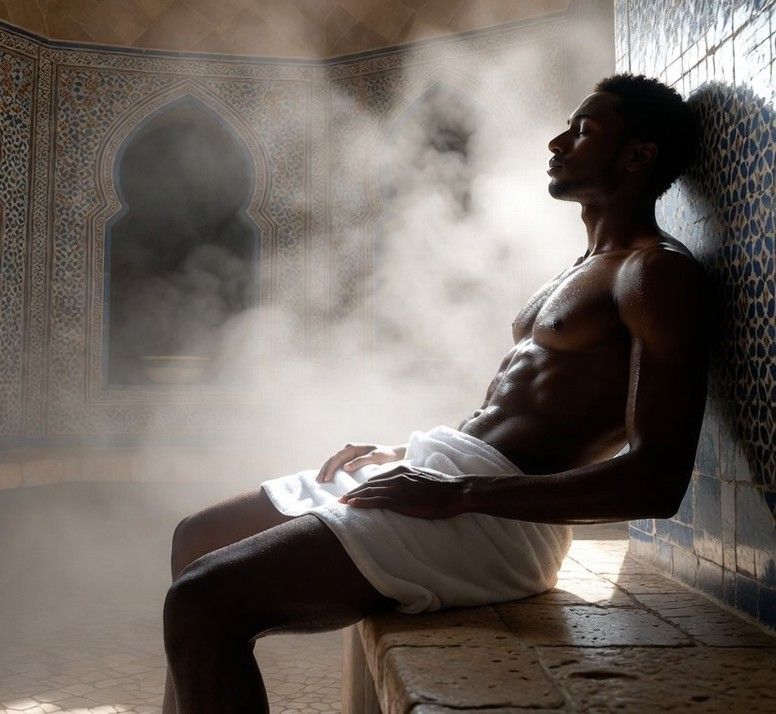
Athlete relaxing in a Moroccan hammam steam room

A high-quality hammam supports recovery through multiple techniques:

  • Steam Therapy: Moist heat helps increase circulation, relax tense muscles, and prepare the body for deeper massage work. Athletes often use steam sessions after workouts to accelerate recovery.
  • Hot and Cold Contrast: Alternating between warm steam rooms and cold showers or pools improves blood flow and reduces inflammation. This method mimics professional sports recovery routines used by Olympic athletes.
  • Massage Techniques: Traditional Moroccan massages with argan oil or specialized sports treatments relieve soreness and target muscle knots. Trained therapists often focus on areas prone to strain, like shoulders, back, and legs.
  • Detoxification Rituals: Body scrubs and exfoliation remove toxins, improve skin health, and enhance relaxation, providing both physical and mental benefits.

How Professional Athletes Use Hammam Rituals

Elite athletes have long incorporated spa treatments into their routines. Olympic competitors and professional sports teams often schedule steam sessions and massages as part of their training cycles. Benefits include:

  • Faster muscle recovery after intense workouts.
  • Reduced risk of injuries and muscle strains.
  • Enhanced flexibility and joint mobility.
  • Improved mental focus through relaxation.

Many athletes also combine hammam visits with stretching and hydration routines, maximizing recovery and ensuring consistent performance.

Timing Your Hammam Visits for Maximum Benefit

Scheduling is crucial to get the most from a hammam experience:

  • Post-Workout: Visiting the hammam immediately after training helps flush out lactic acid and reduces muscle stiffness. Short steam sessions followed by massage are ideal.
  • Rest Days: Using a hammam on non-training days allows deeper relaxation and full muscle regeneration without interfering with workout intensity.
  • Evening Sessions: Evening visits promote better sleep, which is critical for recovery. The calming environment of a hammam encourages relaxation, lowers cortisol levels, and supports overall recovery.

Athletes should avoid extremely long sessions or excessive heat exposure, as this can lead to dehydration or fatigue. Balance and moderation are key to achieving benefits safely.

Selecting the Right Hammam in Marrakech

Not all hammams are equal for athletic recovery. Consider the following when making a choice:

  • Facilities: Look for steam rooms, hot and cold pools, and treatment rooms with professional massage services.
  • Expertise: Check that therapists are trained in sports massage or muscle recovery techniques.
  • Hygiene and Comfort: Clean facilities and a calming environment contribute to a safe and restorative experience.
  • Additional Services: Some hammams offer stretching, yoga, or hydrotherapy, which complement post-training routines.

Using a reliable guide like the At Marrakech site ensures your visit meets all these criteria. Following a structured guide to becoming a strong and well-rounded athlete ensures your spa visit aligns with training goals and maximizes muscle regeneration.

Conclusion

Marrakech’s hammams are more than cultural landmarks, they are powerful tools for athletic recovery. By combining steam therapy, massage techniques, and careful scheduling, athletes can improve muscle regeneration, reduce injury risks, and enhance performance. Following expert advice for choosing a hammam in Marrakech helps ensure your visits are both safe and effective. For athletes looking to recover like a pro, integrating a hammam routine can be a game-changer for body and mind.


Repair Custom Foot Orthotics for Peak Athletic Performance and Fast Recovery

Athleticism

Elite athletic performance depends on efficient movement, and foot mechanics play a major role in how force travels through the body. Even small changes in foot alignment can affect speed, balance, and injury risk, especially during high-intensity training and competition.

This is why many athletes choose to repair custom foot orthotics rather than replace them at the first sign of wear. When orthotics lose cushioning or structural integrity, performance can suffer. Repair services restore critical components so the device continues to support natural motion, absorb impact, and protect joints under heavy training loads.

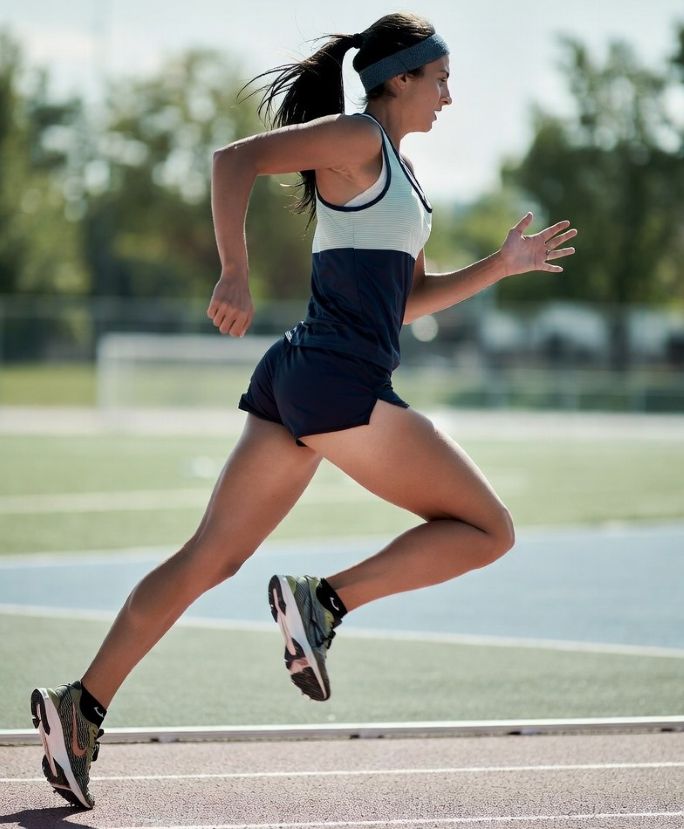
Athlete running on track

Smart maintenance keeps every stride strong and every landing stable.

Why Orthotic Condition Matters in Sport

Custom orthotics are designed to manage how the foot strikes the ground and transfers force upward. For runners, this influences stride efficiency. For jumpers and court athletes, it affects landing stability. When materials compress or break down, those corrections weaken. For strategies beyond orthotic care that support strong and efficient athletic development, consider a practical guide to help you become a strong and well-rounded athlete, which covers balanced training, recovery, and movement preparation.

Worn orthotics may still look usable, but subtle changes can alter gait mechanics. Reduced shock absorption increases stress on the ankles, knees, and hips. Over time, this added load can contribute to shin splints, Achilles irritation, or plantar fascia pain. For athletes training daily, these small issues add up quickly.

Common Signs Your Orthotics Need Attention

Athletes often push through discomfort, assuming soreness is part of training. However, certain signs suggest the orthotics themselves need work. Flattened cushioning, uneven wear patterns, or new pressure points are common indicators. A feeling of instability during push-off or landing is another red flag.

Performance changes can also signal trouble. If stride feels less smooth or fatigue sets in faster than usual, foot support may no longer be doing its job. Addressing these issues early helps prevent compensation patterns that lead to injury.

How Repair Supports Performance and Recovery

Professional repair focuses on restoring function rather than altering fit. Technicians reinforce structural elements and refresh cushioning layers to bring the orthotic back to its intended performance level. This allows athletes to maintain the biomechanics they trained with.

Refurbished orthotics help distribute impact forces more evenly. This is especially important for runners logging high mileage and field athletes who sprint, cut, and jump repeatedly. Proper force distribution reduces muscle fatigue and supports faster recovery between sessions.

Maintenance Versus Replacement

Custom orthotics are an investment, and frequent replacement can be costly. In many cases, the core shell remains sound even after years of use. Repairing instead of replacing preserves the original design that matches the athlete’s movement patterns.

Choosing to repair custom foot orthotics also minimizes downtime. Athletes avoid the adjustment period that often comes with new devices. Keeping familiar support underfoot helps maintain consistency during training cycles and competition seasons.

Trusted by Competitive Athletes

Many professional and Olympic-level athletes rely on equipment maintenance as part of their routine. Shoes are rotated, gear is serviced, and orthotics are no exception. Maintaining foot support reflects the same attention to detail applied to strength training, nutrition, and recovery.

Sports medicine professionals often recommend repair when alignment remains correct but comfort has declined. This practical approach keeps athletes performing at their best while reducing unnecessary expense.

Conclusion

Peak performance starts from the ground up. When foot support degrades, movement efficiency and recovery suffer. Choosing to repair custom foot orthotics helps athletes protect their biomechanics, manage impact forces, and stay competitive without constant replacement. Smart maintenance keeps every stride strong and every landing stable.

Maintaining A Healthy Diet As An Athlete

Uncategorized

Maintaining a healthy diet as an athlete is essential for performance, recovery, and long-term health. Here’s a clear and practical guide to help you fuel your body the right way:

Eat a Balanced Diet
Time Your Meals Smartly
Stay Hydrated
Avoid These Common Mistakes
Good Snack Ideas for Athletes

https://rule40.com

The Olympic Games Sporting Event

Uncategorized

The Olympic Games are a major international sporting event featuring summer and winter sports competitions. Thousands of athletes from around the world participate in a variety of events, representing their countries. The Games are held every four years, alternating between the Summer and Winter Olympics every two years.

Key Facts:
Origin: The Olympics originated in ancient Greece in Olympia, where they were held as religious festivals.

Modern Revival: The modern Olympic Games were revived in 1896 in Athens, Greece, by Baron Pierre de Coubertin.

Organized by: The International Olympic Committee.

https://rule40.com

The Types Of Olympics And Its Symbols

Athleticism, Olympic

Types of Olympics:
Summer Olympics: Includes sports like athletics, swimming, gymnastics, basketball, and soccer.

Winter Olympics: Includes sports like skiing, ice skating, ice hockey, and snowboarding.

Symbols:
Olympic Rings: Five interlocking rings (blue, yellow, black, green, red) representing the unity of the five continents.

Olympic Flame: Lit in Olympia and carried in a relay to the host city.

Medals: Gold, silver, and bronze awarded to the top three athletes in each event.

The Olympics promote peace, unity, and sportsmanship among nations and are one of the most widely viewed sporting events in the world.

https://rule40.com

𐌢