
BAC Water by HerbiLabs is the Cross to Olympic-Level Training No One Expects

Olympic

Olympic athletes compete in environments where success is often determined by the smallest margins. Fractions of a second, slight improvements in recovery, and precise training adjustments can separate gold medal performances from the rest of the field. Training programs, nutrition plans, recovery protocols, and sports science research all rely on controlled processes and reliable data. Interestingly, the same principles can be observed in laboratory environments that depend on products such as BAC Water by HerbiLabs.

Commonly used as a sterile reconstitution solution in research settings, BAC Water highlights the importance of precision, contamination control, and standardized procedures. While laboratory research and Olympic training serve different purposes, both operate under a shared philosophy, consistent inputs help produce reliable outcomes.

Precision is the Foundation of Performance

Olympic preparation is far more scientific today than it was decades ago. Coaches, trainers, and sports scientists collect enormous amounts of performance data to guide decision-making. Training intensity, recovery rates, nutritional intake, sleep quality, and biomechanical measurements are often tracked continuously.

This emphasis on precision mirrors laboratory workflows. Research environments require carefully controlled conditions to ensure that results are repeatable and accurate. A small inconsistency in materials, measurements, or handling procedures can compromise an entire experiment.

BAC Water by HerbiLabs reflects this focus on consistency. In research applications, sterile solutions must meet strict quality expectations to support controlled laboratory procedures. Just as athletes depend on reliable performance metrics, researchers depend on dependable materials that help minimize unnecessary variables.

Consistency Creates Reliable Outcomes

One of the defining characteristics of elite athletic programs is consistency. Athletes do not achieve peak performance through occasional bursts of effort. Instead, success comes from following structured routines day after day, often for years. Olympic training programs typically emphasize:

  • Consistent training schedules
  • Standardized recovery protocols
  • Carefully monitored nutrition plans
  • Repeatable performance assessments
  • Long-term progression tracking

Laboratory research follows a remarkably similar model. Scientists rely on standardized procedures to ensure that experiments can be repeated and verified. Products used in research settings are expected to maintain consistent quality from one batch to another.

HerbiLabs emphasizes batch consistency and quality-control measures in the production of BAC water. This commitment to standardization reflects the same mindset found in high-performance sports.

Whether the goal is athletic improvement or scientific research, consistency remains a critical factor in long-term success.

The Importance of Contamination Control

Athletes preparing for major competitions often work to eliminate anything that could interfere with performance. Poor recovery habits, nutritional mistakes, and unnecessary distractions can all negatively affect results.

Similarly, laboratory environments place a strong emphasis on contamination control. Maintaining sterile conditions helps preserve the integrity of research procedures and reduces the risk of compromised outcomes.

BAC water is manufactured as a sterile solution intended for research-related applications where controlled handling procedures are essential. This focus on contamination prevention parallels the way elite sports organizations protect training environments from factors that could undermine performance.

In both settings, success depends not only on what is added to the process but also on what is prevented from entering it. Controlling unwanted variables helps maintain reliability and supports more accurate outcomes.

Data, Measurement, and Repeatability

Modern Olympic programs are driven by measurable information. Coaches use performance analytics to identify strengths, weaknesses, and opportunities for improvement. Training decisions are increasingly based on evidence rather than intuition alone.

Research laboratories operate according to the same principle. Data collection, verification, and repeatability form the foundation of scientific work. Procedures must be documented carefully so results can be reproduced and validated.

The role of reliable laboratory materials, including sterile reconstitution solutions such as BAC water, supports this objective by helping researchers maintain consistent experimental conditions. Repeatable processes are essential for generating trustworthy information.

This connection highlights a broader lesson shared by both fields, progress becomes more predictable when it is guided by measurement and supported by standardized procedures.

Lessons from High-Performance Systems

Perhaps the most valuable lesson that BAC water by HerbiLabs and Olympic training programs share is the importance of systems thinking. Neither elite athletic success nor effective laboratory research depends on a single factor. Instead, both are built upon multiple elements working together toward a common goal such as having:

  • Precision in execution
  • Consistency in processes
  • Strong quality-control standards
  • Reliable measurement systems
  • Long-term commitment to improvement

Athletes, coaches, researchers, and laboratory professionals all understand that excellence rarely comes from shortcuts. It is achieved through disciplined preparation, attention to detail, and a commitment to maintaining high standards.

Unexpected Crossover between Nutrition and Performance

Although Olympic training and laboratory research exist in very different worlds, they are connected by a shared philosophy centered on precision, consistency, and reliability. BAC water by HerbiLabs serves as an example of how controlled processes and quality standards support dependable outcomes in research environments.

Just as Olympic athletes rely on structured preparation and carefully monitored performance systems, laboratory workflows depend on sterile solutions, contamination control, and repeatable procedures. Both fields demonstrate that success is often built on seemingly small details that collectively create a foundation for excellence.
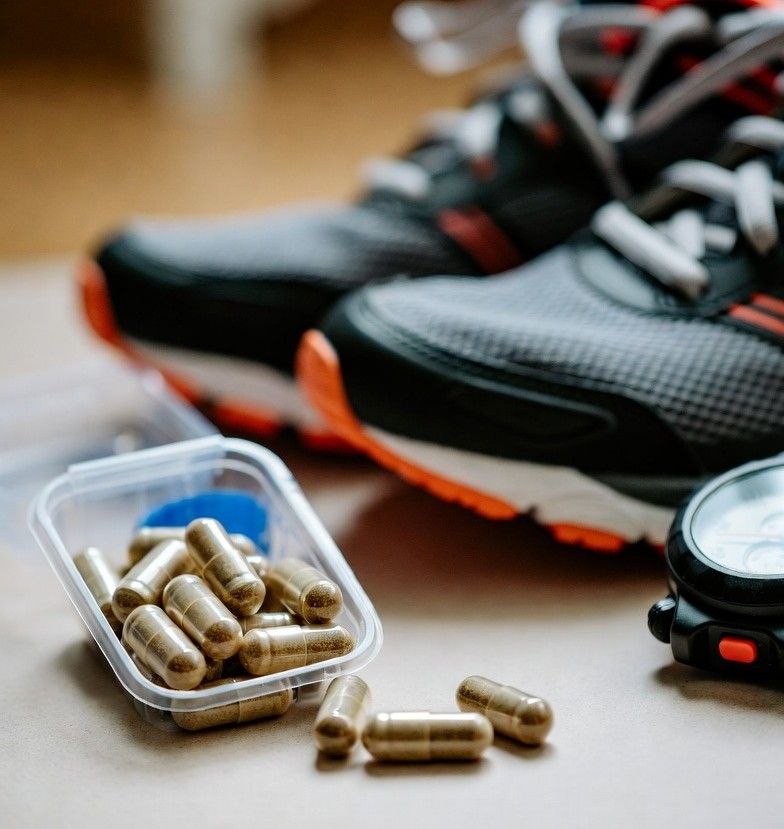
Performance Edge or Placebo? Tongkat Ali Tablets in Competitive Athletics

Athleticism, Olympic

sports and supplements

The global sports nutrition market is projected to surpass 30 billion dollars in the coming years, according to Grand View Research. That number says one thing loud and clear, athletes are always searching for an edge. Legal, safe, and ideally powerful. From protein powders to beetroot juice shots, the line between smart supplementation and wishful thinking gets blurry fast.

Recently, more competitors have started eyeing herbal testosterone support products such as Tongkat Ali Supplement. Extracted from a Southeast Asian root long used in traditional medicine, Tongkat Ali, also known as Eurycoma longifolia, is often marketed as a natural way to support testosterone levels. For athletes chasing strength gains, that promise sounds tempting. But does it actually translate to better performance on the field, track, or platform?

What the Science Actually Says

Some small clinical studies suggest Tongkat Ali may help increase free testosterone levels, particularly in men with low baseline levels. Research published in journals such as the Journal of the International Society of Sports Nutrition has explored its potential to support strength and body composition. In a few pilot trials, participants experienced modest improvements in muscle strength after several weeks of supplementation.

Here is the catch. Many of these studies involve small sample sizes, short timelines, and recreationally active men rather than elite competitors. A weekend gym enthusiast and an Olympic sprinter are very different biological machines. What works for one may barely move the needle for the other.

When it comes to endurance performance, results are mixed. Some studies show minimal impact on aerobic capacity or time-to-exhaustion. Others show no significant difference at all. That inconsistency matters. Elite sport is built on marginal gains. If a supplement cannot deliver measurable results under controlled conditions, coaches tend to move on quickly.

The Gap Between Pilot Studies and Podiums

Sports science has a long memory. Creatine earned its reputation through repeated, well-designed trials across different athletic populations. Caffeine did the same. Tongkat Ali has not yet reached that level of evidence.

Dr. Louise Burke, a respected sports dietitian who has worked with Olympic teams in Australia, often emphasizes that supplements should sit on top of solid training, nutrition, and recovery. They are the icing, not the cake. That perspective matters here. Even if Tongkat Ali offers mild hormonal support, the effect size may be too small to dramatically change elite outcomes. For athletes who want long-term results, following a practical guide to becoming a strong and well-rounded athlete is often far more impactful than relying on a single supplement.

And there is something else athletes rarely admit publicly, the placebo effect is powerful. If a competitor believes a supplement sharpens their aggression in the weight room, performance can improve simply from confidence. Sport is mental. Sometimes belief fuels output as much as biochemistry.

Is It Allowed in Elite Competition?

Regulation is where things get serious. The World Anti-Doping Agency, commonly known as WADA, maintains a prohibited list updated every year. As of current guidelines, Tongkat Ali itself is not listed as a banned substance. That means it is permitted under WADA rules.

However, the story does not end there. The International Olympic Committee aligns with WADA standards, and national bodies such as the United States Anti-Doping Agency follow similar frameworks. While the herb is allowed, contamination is a real risk. Some testosterone-boosting products have been found to contain undeclared anabolic agents. That is where athletes get into trouble.

Strict liability applies in anti-doping. If a banned substance appears in your sample, intent does not matter. You are responsible. Careers have ended over contaminated supplements. That reality makes elite athletes cautious, sometimes almost paranoid, about what they swallow.

Safety First, Always

Most research suggests Tongkat Ali is generally well tolerated in healthy adults when taken at recommended doses. Reported side effects are mild, including sleep disturbances or irritability in some users. Still, long-term data in high-performance populations remains limited.

Elite teams often rely on third-party testing programs such as NSF Certified for Sport or Informed Sport. These programs screen supplements for banned substances. Athletes considering Tongkat Ali tablets usually consult a sports physician or performance nutritionist before adding it to their routine. That step is boring, yes. It is also smart.

There is also the hormonal angle. If an athlete already has optimal testosterone levels, pushing them higher may not produce dramatic gains. The body regulates tightly. More is rarely better. Sometimes it just means more stress on the system.

So, Performance Edge or Placebo?

The honest answer is somewhere in the middle. Early evidence hints that Tongkat Ali tablets may support strength in certain populations, particularly men with lower testosterone. Endurance benefits are far less convincing. For elite athletes operating near their genetic ceiling, the effect may be subtle.

That does not mean it is useless. It means expectations should be realistic. Supplements can support performance, but they rarely replace disciplined training, structured recovery, and precise nutrition planning.

In the end, Tongkat Ali tablets sit in that gray zone of sports supplementation. Legal under major governing bodies, potentially helpful in specific cases, yet still lacking the heavyweight evidence that defines proven ergogenic aids. For competitive athletes, the smartest move is simple. Test carefully, verify quality, consult professionals, and remember that confidence built in training usually beats confidence bought in a bottle.

Key Takeaways

Current research suggests that Tongkat Ali may offer modest strength benefits, particularly for men with lower baseline testosterone levels, though the evidence is still limited. Large, well-controlled studies involving elite athletes are lacking, which makes it difficult to draw firm conclusions about its impact at the highest levels of competition. Tongkat Ali is not banned by major anti-doping authorities such as the World Anti-Doping Agency, but contamination risks in the supplement industry mean athletes must be extremely cautious. Third-party testing and professional guidance from sports physicians or performance nutritionists are essential steps to reduce risk and protect eligibility. Ultimately, supplementation should support, not replace, disciplined training, recovery, and sound nutrition practices.